
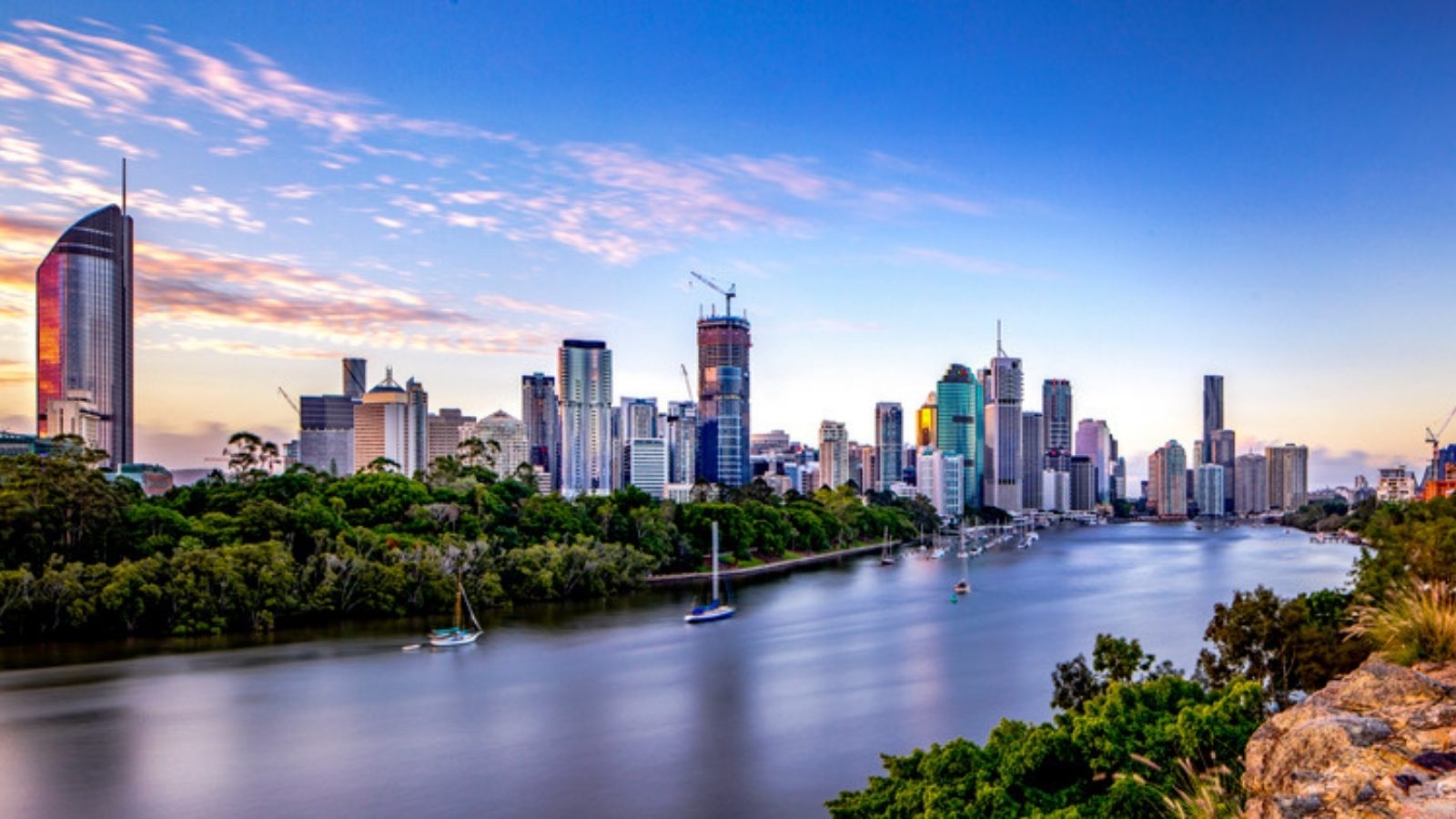
Queensland has been on a lot of people’s radar for a while now. Warmer winters, a growing Brisbane skyline and a decade of big infrastructure ahead of the 2032 Olympic and Paralympic Games have turned the Sunshine State into a serious option for IT professionals. 🌴 But the move only makes sense if the numbers and the opportunities stack up for you.
This guide covers the Queensland IT job market, rent and housing, schools, lifestyle and where growth is likely to come from.
The Queensland job market
Queensland’s unemployment rate was 4.5% in the latest ABS data, a little better than the national 4.7%. The state’s tech demand comes from a broad base:
- State government: health, transport, education, justice and digital services programs are among the largest employers of IT talent in Brisbane.
- Infrastructure and construction: the 2032 venue program, transport upgrades and energy projects all need project controls, data, digital engineering and cyber skills.
- Resources and energy: mining in central and north Queensland, plus renewables and the energy transition.
- Health and research: hospital systems, universities and medical research institutes.
- Financial services and insurance: a solid presence in Brisbane, though smaller than Sydney.
IT roles in demand in Brisbane
- Project managers, schedulers and business analysts for large programs
- Cyber security analysts and engineers
- Data engineers, BI developers and analysts
- Cloud and infrastructure engineers
- ServiceNow, SAP and Dynamics 365 specialists
- Digital engineering roles in infrastructure
A useful tip: much of the 2032 build will compete for the same project and data people. If you have delivery experience on large programs, demand in Brisbane is likely to keep rising for years.
Cost of living in Brisbane
Brisbane is no longer the cheap option it once was. Domain’s September quarter 2026 report shows a median house rent of $700 a week and a median unit rent of $660, with vacancy at 0.7%.
| Brisbane measure | Latest figure |
|---|---|
| Median house rent (week) | $700 |
| Median unit rent (week) | $660 |
| Rental vacancy | 0.7% |
| Queensland unemployment rate | 4.5% |
Compared with Sydney’s $835 median house rent, Brisbane still offers some savings, but the gap has narrowed. Many people moving north are surprised by how competitive inspections are.
Housing and buying
South-east Queensland saw strong price growth in recent years as people moved from southern states. With capital city values nationally down 4.8% over the year to October 2026 according to Cotality, conditions are more balanced than they were. Regional centres such as Toowoomba, the Sunshine Coast and the Gold Coast remain popular with hybrid workers.
Education and upskilling
Queensland has a large public school system and a wide range of independent schools. Brisbane is home to The University of Queensland, QUT and Griffith University, with strong IT, data science and cyber programs. TAFE Queensland offers practical courses for career changers, and many vendor certifications can be completed online.
Lifestyle
Queensland does not use daylight saving, so in summer Brisbane is an hour behind Sydney and Melbourne. Hybrid workers often enjoy an easy weekend routine of beaches, hinterland and outdoor living. Summer humidity and storms take some getting used to, so do not let anyone tell you it is perfect weather all year. 😅
Growth outlook
The next decade looks busy. Olympic venues, transport, energy and health investments will keep demand for tech and delivery skills high. The main challenge for candidates is cost: rents are rising and housing is no longer cheap, so make sure any offer covers the higher living costs.
Moving to Queensland: a quick checklist
- Line up the job first. Brisbane’s market is strong, but arriving with an offer makes renting far easier because agents want proof of income.
- Budget for the first two months. Bond (usually four weeks’ rent), two weeks’ rent in advance, removalists, car registration transfer and a new Queensland driver licence all add up.
- Pick a commute you can live with. Brisbane’s busway and rail network work well along certain corridors. Check travel times at peak hour before you sign a lease.
- Check school catchments early. Popular state schools have strict catchment boundaries.
- Ask about hybrid days. If you only need to be in the CBD two or three days a week, suburbs further out or even the Sunshine Coast become realistic.
Contract roles are also common in Brisbane, especially in government and infrastructure. A six or twelve month contract can be a lower-risk way to test the move before committing to a permanent role.
Who Queensland suits
- Project and program professionals who want a long pipeline of work
- Cyber, data and cloud people seeking government and infrastructure roles
- Families looking for space and an outdoor lifestyle
- Hybrid workers who can split time between Brisbane and the coast
Frequently asked questions
Is Brisbane good for IT jobs?
Yes. State government, health, infrastructure, energy and financial services all hire IT professionals, and the 2032 build adds long-term demand for project, data and cyber skills.
How much is rent in Brisbane?
The median house rent was $700 a week and the median unit rent $660 in Domain’s September quarter 2026 report, with vacancy at 0.7%.
Is Queensland cheaper than Sydney?
Rents are generally lower than Sydney, but the gap has narrowed. Compare total costs, including commuting and housing, before you decide.
Also read: hiring in Brisbane before 2032, Perth and WA and regional vs city.
👉 Ready for your next move? Browse open IT jobs or register your CV and a Zone IT recruiter will be in touch.
 Candidates
 Candidates
 Candidates